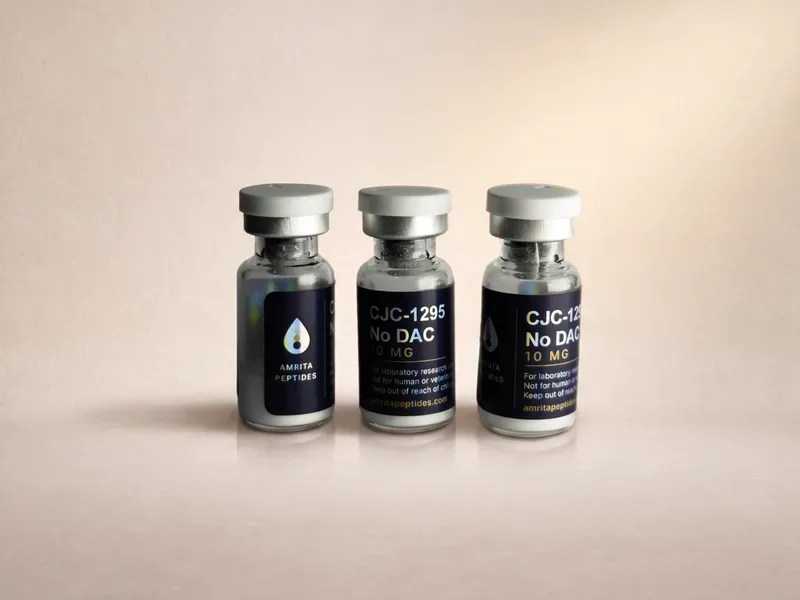
CJC-1295 No DAC
Molecular formula: C152H252N44O42
A short-acting version of the body's own growth-hormone-releasing signal, and the usual research partner for Ipamorelin.
From ฿1,900 View
Growth hormone research covers several signals, not a single kind of peptide. This category lets you compare research materials with different roles in that signalling system. The important starting point is the full compound name, including terms such as No DAC. The products listed here are for laboratory research only and are not intended for human or veterinary use.
Molecular formula: C152H252N44O42
A short-acting version of the body's own growth-hormone-releasing signal, and the usual research partner for Ipamorelin.
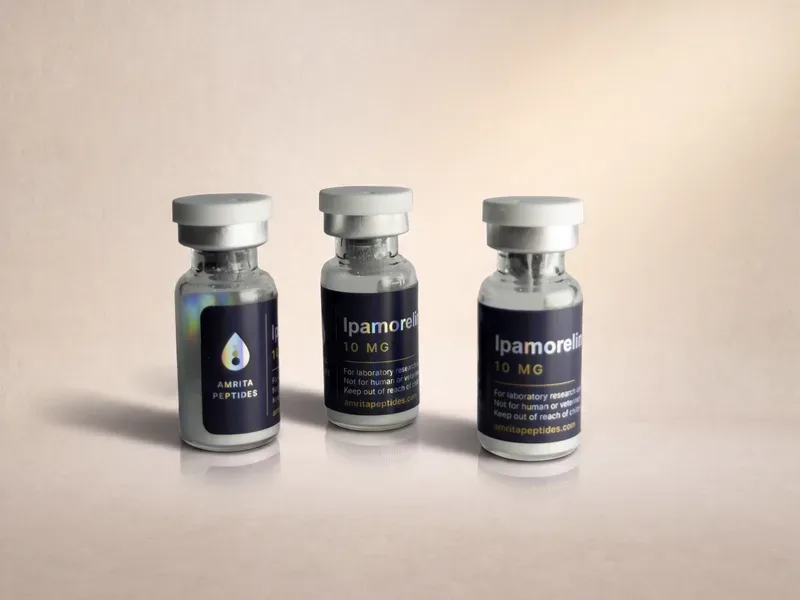
Molecular formula: C38H49N9O5
A small, selective growth-hormone releaser — it caught researchers' attention because it leaves cortisol largely untouched.
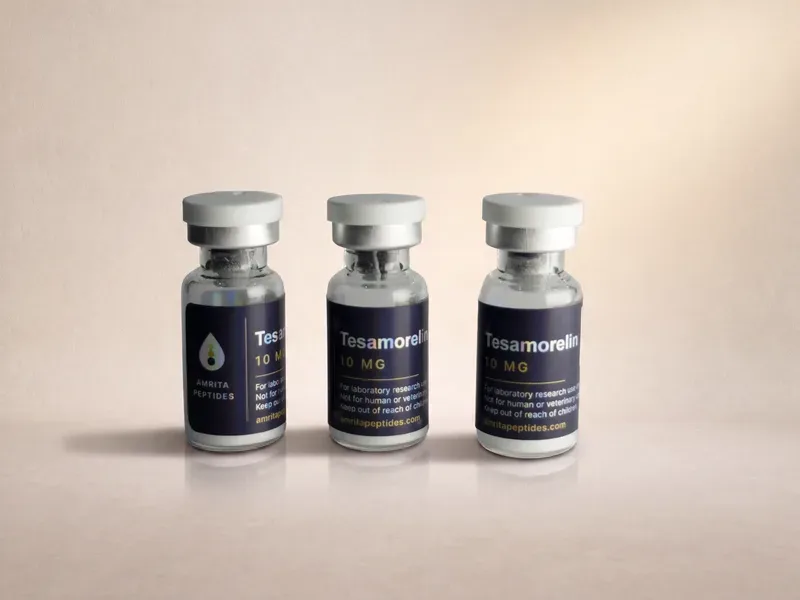
Molecular formula: C221H366N72O67S
A stabilised copy of the full growth-hormone-releasing hormone, and one of the few tested in large human trials, including on belly fat.
Shortened names are convenient, but they can hide a meaningful difference. CJC-1295 No DAC should not be silently shortened to a name that also appears in studies of a different form. If a paper uses a similar name, look in its methods for the exact material rather than assuming the results apply.
The same care applies when a supplier lists a blend. A paper about one compound does not establish the behaviour of a mixture. The product cards on this page show the individual listings; compare their full descriptions and options before deciding whether a listed material matches a laboratory’s requirements.
The phrase growth hormone axis describes a chain of signals involving more than one tissue and receptor. A receptor is a cell’s receiving point for a signal. Compounds discussed under this heading can act at different points in that chain, which is why a shared category is not evidence of interchangeability.
The comparison linked below explains the distinctions between ipamorelin, CJC-1295 No DAC and tesamorelin. Read it as a guide to names, research targets and study differences. It is not a ranking for muscle gain, recovery or any other personal outcome.
A measured hormone change answers a narrower question than a change in health or function. Before relying on a result, check the measurement, the sampling times and the comparison group. A single reading and a series of readings across time are not the same type of evidence.
Also check whether the paper studied cells, animals or people, and which formulation was used. Findings do not transfer automatically between those settings. Even where a compound has medicine-related literature, an independent research listing does not inherit the approval or quality controls of a particular authorised product.
Vial amount and pack size describe the quantity offered. They do not describe potency across different compounds, and equal milligram amounts do not make different peptides equivalent. Keep the product name, option and stated amount together in procurement and laboratory records to avoid confusing similar packages.
On receipt, record the label details and condition of the package before putting material into storage. Thailand’s warm outdoor conditions and cooled indoor rooms make temperature changes worth documenting. The linked storage guide explains receipt records and handling questions, but it does not provide one shelf life for every peptide. Use the laboratory’s approved procedure and material-specific evidence for those decisions.
Background reading for this research area, from our published guides and blog.
CJC-1295 no DAC vs ipamorelin vs tesamorelin: receptor family, half-life, molecular identity and evidence base, compared for research identification.
GuideA Thailand laboratory guide to documented peptide storage conditions, temperature monitoring, outages, condensation, delivery quarantine, and excursion records.
For laboratory research use only. Not for human or veterinary use.