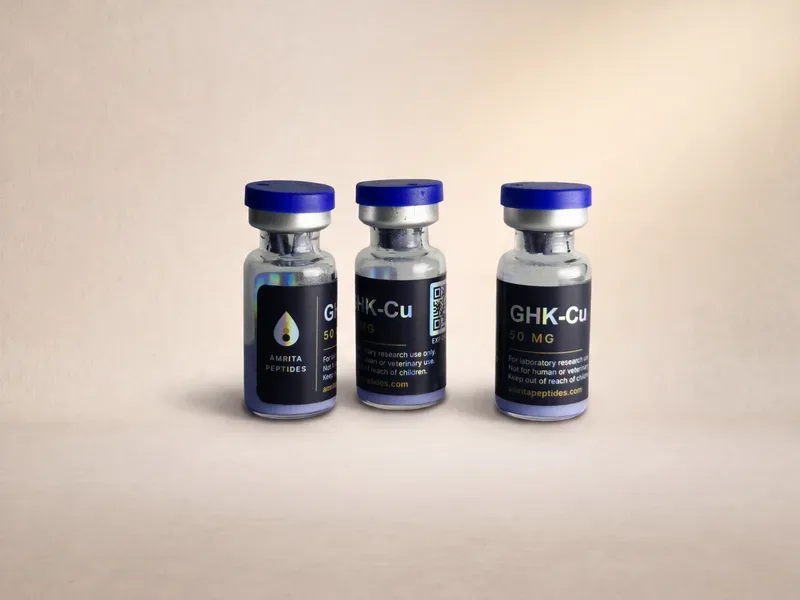
GHK-Cu
Molecular formula: C14H23CuN6O4+
A copper peptide found naturally in the body, best known from skin research, where it is looked at for collagen and tissue remodelling.
From ฿800 View
Cells need energy, and they also need ways to respond when conditions change. This category covers research on both subjects. It is deliberately broader than mitochondrial research alone: not every listed compound has the same role or a proven mitochondrial target. Browse the current materials below, then read how to keep their different research contexts separate. Laboratory research use only; not for human or veterinary use.
Molecular formula: C14H23CuN6O4+
A copper peptide found naturally in the body, best known from skin research, where it is looked at for collagen and tissue remodelling.
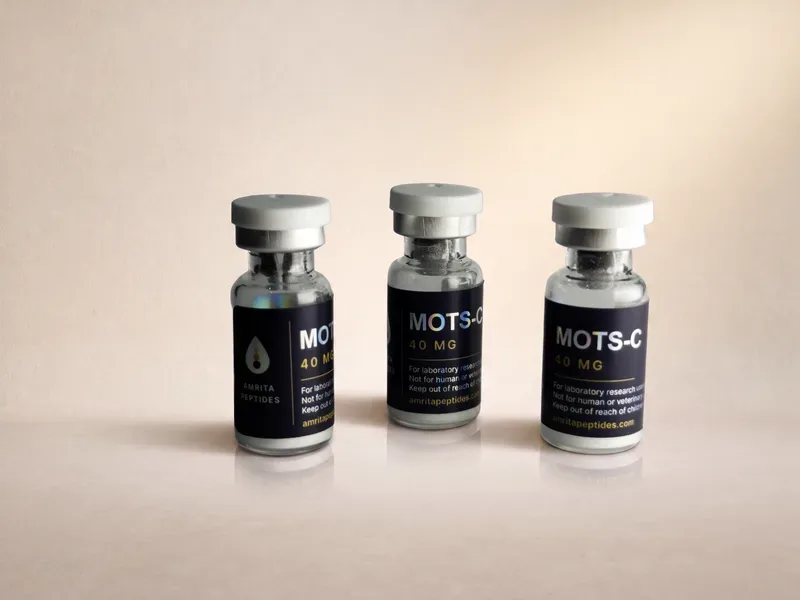
Molecular formula: C101H152N28O22S2
A peptide made by the mitochondria rather than the main genome, researched for its links to exercise, insulin sensitivity and ageing.
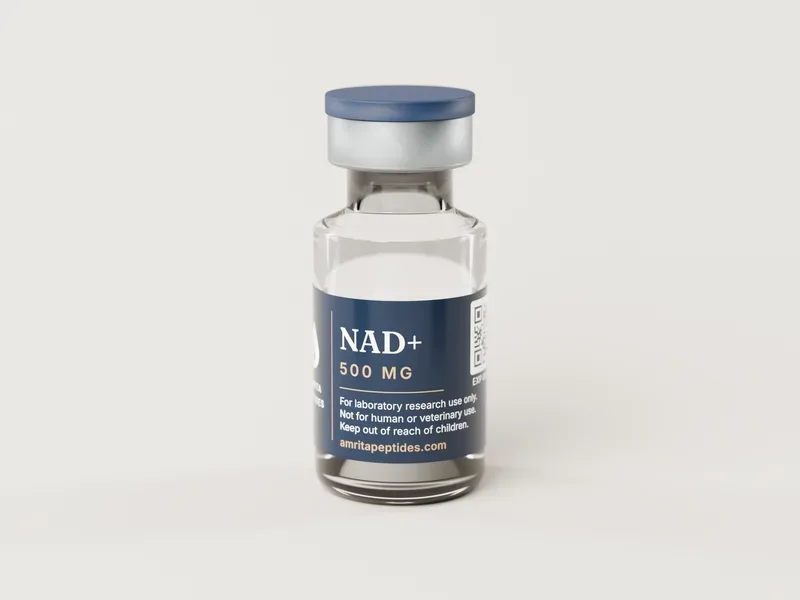
Molecular formula: C21H27N7O14P2
Not a peptide, but the coenzyme every cell uses to turn food into energy — levels fall with age, which puts it at the centre of longevity research.
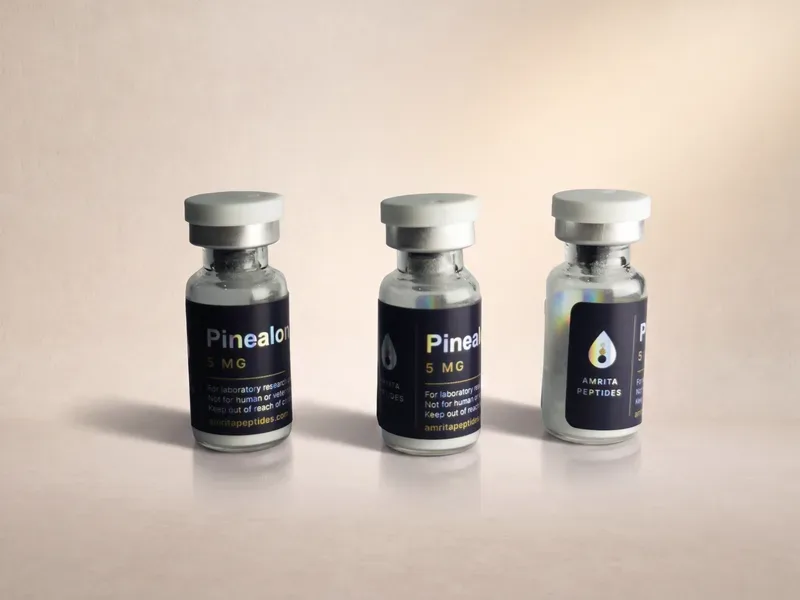
Molecular formula: C15H26N6O8
A tiny three-amino-acid peptide from Russian "bioregulator" research, looked at for how nerve cells cope with oxidative stress and ageing.
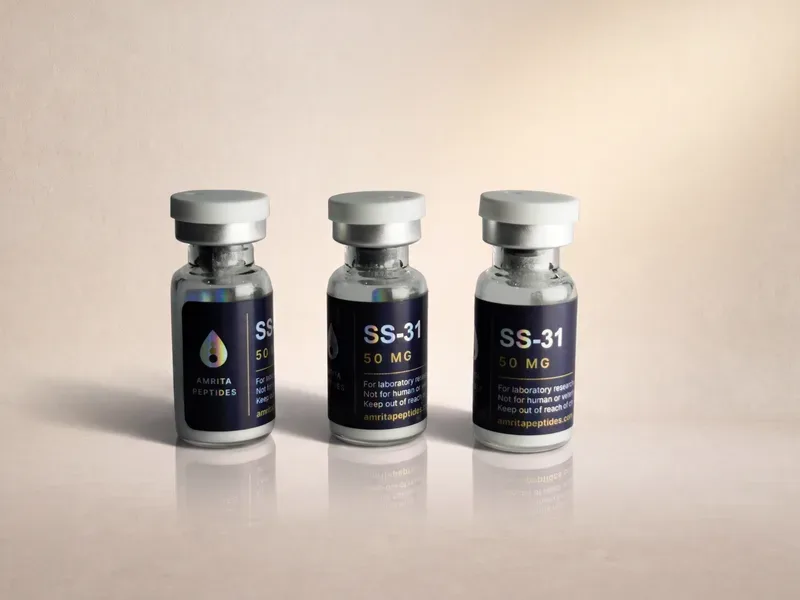
Molecular formula: C32H49N9O5
A four-amino-acid peptide that goes straight to the mitochondria's inner membrane, researched in heart, kidney and age-related energy decline.
Mitochondria are structures inside cells that take part in energy production. Research in this area can look at their membranes, signals linked to energy use, or how cells respond to stress. Cellular research is wider still. That broader wording matters when comparing materials that appear together in an article but were studied for different reasons.
The current group includes MOTS-C, SS-31, Pinealon and GHK-Cu. Their presence on this page does not mean that all four act on mitochondria in the same way. In particular, do not read the category heading as proof of a specific mitochondrial target for Pinealon or GHK-Cu.
The cellular research article linked below explains the different backgrounds of MOTS-C, SS-31 and Pinealon. It also discusses NAD+ as scientific context. A compound discussed in an article is not necessarily offered for sale; use the current product grid rather than an article’s title to check what is listed.
GHK-Cu also has its own copper-peptide category, which is a more focused place to read about its identity. A material can belong to more than one research topic without becoming a different product. Category membership is a browsing aid, not a scientific claim that every material in the group has matching properties.
A study might measure cell survival, a chemical signal or a change in energy-related activity. Those measurements are useful within the experiment, but they do not directly measure a person’s energy level or lifespan. Broad phrases such as longevity research can obscure that difference.
Check the type of cells, the conditions used and the length of the experiment. Ask whether another research group has repeated the finding. If the paper studies a modified form or a different formulation, record that difference rather than attaching the result to every product with a related name.
The listings show product options and prices, not an evidence ranking. More milligrams, a larger pack or a longer list of research topics does not make one material a substitute for another. Keep the exact product name and option in the laboratory record, especially when several similar vials arrive together.
The storage guide below covers practical questions for Thailand: receipt timing, visible package damage, temperature records and movement between warm and cooled spaces. Do not assign one storage life to this entire category. The condition of a specific material depends on its formulation and handling history, and a clear-looking solution alone cannot establish its identity or quality.
Background reading for this research area, from our published guides and blog.
Separate four commonly grouped compounds by chemistry, proposed target, and strength of evidence.
GuideA Thailand laboratory guide to documented peptide storage conditions, temperature monitoring, outages, condensation, delivery quarantine, and excursion records.
For laboratory research use only. Not for human or veterinary use.