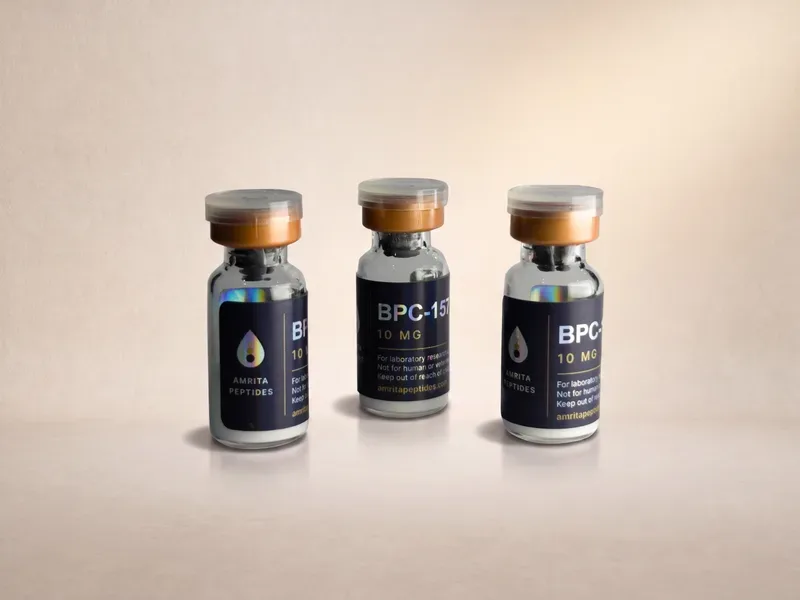
BPC-157
Molecular formula: C62H98N16O22
Probably the best-known recovery peptide — a 15-amino-acid fragment of a stomach protein, researched for how tendons, ligaments and the gut heal.
From ฿700 View
Tissue repair research asks how cells respond to damage and how surrounding tissue changes. This category brings together research materials discussed in that field, but a shared topic does not make them substitutes. Start with the product listings, then use the notes below to separate compound identity from claims about results. These materials are for laboratory research, not human or veterinary use.
Molecular formula: C62H98N16O22
Probably the best-known recovery peptide — a 15-amino-acid fragment of a stomach protein, researched for how tendons, ligaments and the gut heal.
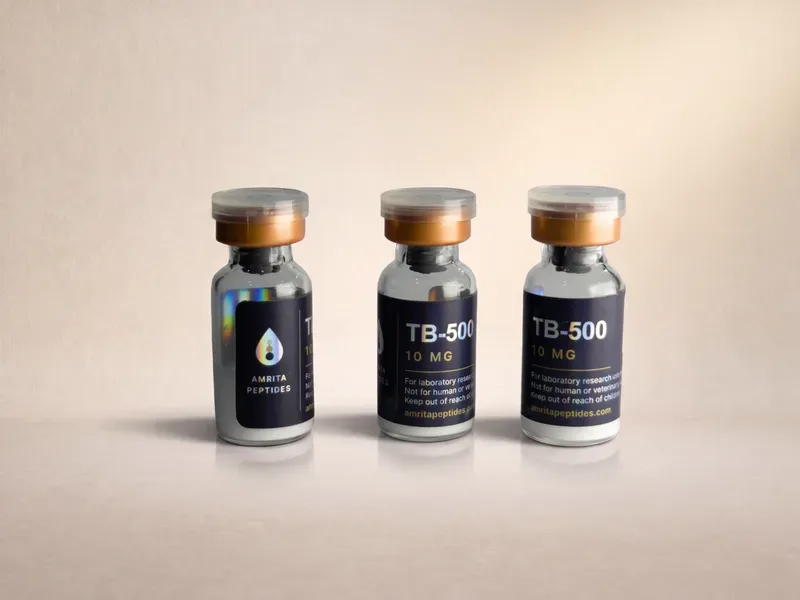
Molecular formula: C38H68N10O14
A synthetic piece of Thymosin Beta-4, a protein that helps cells move and rebuild, often researched side by side with BPC-157.
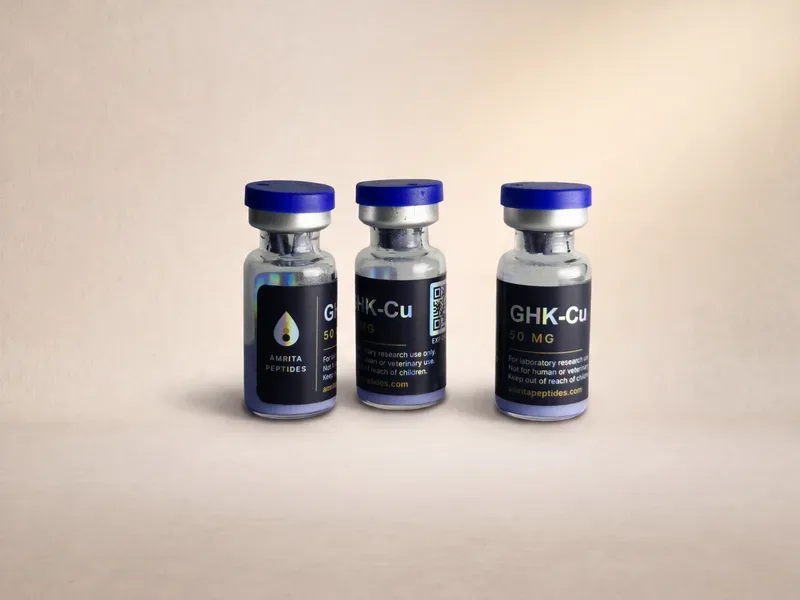
Molecular formula: C14H23CuN6O4+
A copper peptide found naturally in the body, best known from skin research, where it is looked at for collagen and tissue remodelling.
Tissue repair is a broad subject, not a promised effect of anything sold here. A paper may measure how cells move across a dish, how a tissue sample changes, or how an animal responds under controlled conditions. Those are different questions. A result in one setting does not answer all the others, and none should be turned into a claim that a retail vial heals an injury.
When reading a study, find the part that describes what the researchers actually measured. A change in a laboratory marker is not the same as restored tissue function. The length of follow-up also matters: a short observation cannot show whether a change lasts.
BPC-157, TB-500 and GHK-Cu have different identities. Their names are useful starting points, but they do not prove that two papers used matching materials. Look for the stated sequence, which is the order of the peptide’s building blocks, as well as any changes to that sequence.
TB-500 needs particular care. Papers about the full thymosin beta-4 protein should not automatically be treated as studies of a shorter fragment. Our linked BPC-157 and TB-500 comparison explains that distinction and separates identification studies from reports involving people. A familiar name in a headline is not enough to connect a result to a product.
Use the product cards to open the individual pages and compare the stated vial amount, pack size and price. A larger pack means more listed material, not stronger evidence or a more suitable choice for a particular experiment. Check the full option name rather than comparing prices alone.
A published paper also cannot confirm the contents of a shop’s vial. The identity described in literature and the evidence available for a particular batch are separate questions. Do not assume that a listed sequence, a powder’s appearance or a research-use label is proof of testing, purity or sterility.
The comparison below is the best next step if you are trying to distinguish the two frequently paired names. The storage guide covers a different question: how to record receipt, temperature changes and handling conditions in Thailand. Neither shared storage advice nor a shared category supplies a reason to combine materials. Keep each material’s record separate and follow the laboratory’s approved study plan.
Background reading for this research area, from our published guides and blog.
See where the names, structures, and evidence for BPC-157 and TB-500 differ.
GuideA Thailand laboratory guide to documented peptide storage conditions, temperature monitoring, outages, condensation, delivery quarantine, and excursion records.
For laboratory research use only. Not for human or veterinary use.